Animation education takes many forms across Europe, and the V4 region – comprising Slovakia, the Czech Republic, Poland, and Hungary – continues to offer a distinct perspective. While many Western European schools focus on technical training and direct pathways into the industry, a number of institutions in the V4 region remain grounded in strong artistic traditions and analogue approaches. This creates a specific environment that nurtures authorial voices and a wide spectrum of animation techniques valued within the European cultural context.
At the same time, these strengths are often accompanied by challenges – including more limited access to industry networks, fewer opportunities for international exchange, and less exposure to contemporary production workflows.
The V4 Student Forum at Fest Anča was established as a response to these conditions. It provides a dedicated platform for animation schools in the region to connect, share experiences, and develop meaningful collaboration across borders, with the aim of strengthening both creative and professional capacities of students and educators.
Across the three-day programme, participating schools and students present their work, exchange ideas, meet industry professionals, and engage with current practices in animation. The Forum also supports wider networking by connecting V4 participants with institutions and professionals from across Europe and beyond.
As a long-term initiative, the V4 Student Forum contributes to building a sustainable network for animation education in the region. It runs alongside the broader Student Forum programme, allowing participants to expand their perspectives, encounter diverse teaching approaches, and establish connections with the international animation community.
In 2026, the V4 Student Forum at Fest Anča welcomes seven participating schools: The Polish National Film, Television and Theatre School in Lodz, Poland; Ladislav Sutnar Faculty of Design and Art, Czechia; Faculty of Multimedia Communications, Tomáš Baťa University in Zlín, Czechia; Academy of Arts, Architecture and Design in Prague (UMPRUM), Czechia; Moholy-Nagy University of Art and Design, Hungary (MOME); Film and TV Faculty of the Academy of Performing Arts in Prague (FAMU); and The Film and Television Faculty of the Academy of Performing Arts in Bratislava, Slovakia (VŠMU).
AFN Edu activities under the Animation Festival Network are supported by the Creative Europe MEDIA programme. The Student Forum Fest Anča 2026 is organised in cooperation with the Academy of Art, Architecture and Design in Prague (UMPRUM) and the University of Žilina.
The project is co-financed by the governments of Czechia, Hungary, Poland, and Slovakia through Visegrad Grants from the International Visegrad Fund. The mission of the Fund is to advance ideas for sustainable regional cooperation in Central Europe.
With the support of the Government of Flanders and the Embassy of the Kingdom of the Netherlands in Slovakia.
With the support of the Creative Europe Programme – MEDIA of the European Union.



Partners
Jan Matejko Academy of Fine Arts in Krakow (Poland)
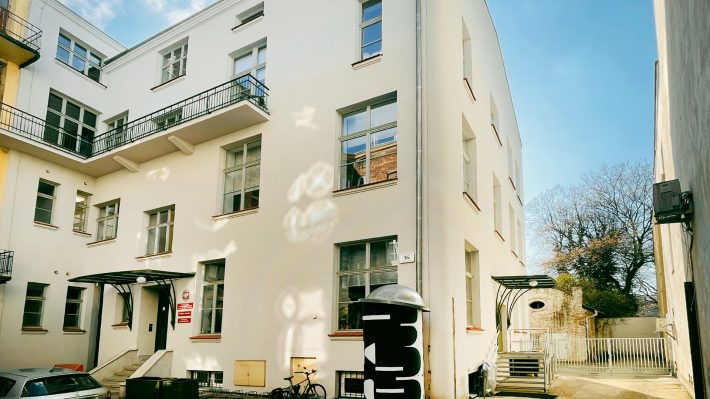
The Animation Film Studio at the Jan Matejko Academy of Fine Arts in Krakow, founded in 1957, was the first animation-focused studio within Polish art schools. Today, it is a highly specialized institution offering comprehensive, master-level education in animated filmmaking.
Over a five-year programme, students gain in-depth training across the entire animation production process, from concept development and scriptwriting to animation, editing, sound design, and postproduction. The curriculum combines manual and digital techniques, supported by collaboration with composers and sound professionals. Each student completes an independent diploma film.
The programme emphasizes both artistic development and professional readiness, encouraging students to build a distinct creative identity while meeting contemporary industry standards. Practical experience is enhanced through collaborations with the film industry and participation in international projects.
The Studio maintains a strong international profile, hosting exchange students and co-organizing the annual International Animated Film Workshops, which bring together filmmakers and students from around the world.
Graduates are active in both Polish and international studios, with student films regularly presented and awarded at major festivals including Cannes, Annecy, Berlinale, Hiroshima, and Zagreb, reflecting the Studio’s strong reputation and impact.
Academy of Art, Architecture and Design in Prague (UMPRUM) (Czech Republic)
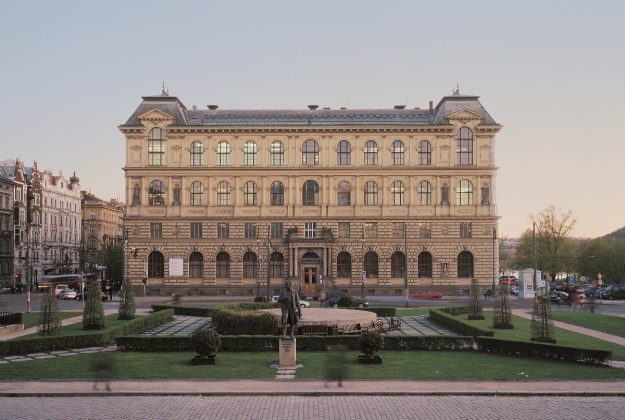
The Animation and Film Studio at UMPRUM (Academy of Arts, Architecture and Design in Prague) offers a vibrant space for both traditional animation techniques and contemporary forms and technologies. Students work on auteur films while exploring animation’s wide-ranging applications, from music videos, trailers, motion design, and games to interactive installations. The program emphasizes a hands-on, experimental approach, supported by UMPRUM’s interdisciplinary environment that fosters collaboration across fine and applied arts.
Students engage with narrative and non-narrative dramaturgy, study the ergonomics of movement, and learn both classical and digital animation techniques. The curriculum encourages formal and conceptual experimentation while maintaining high professional standards, cultivating responsibility toward the creative process and confidence in presenting work. The studio provides a four-year BA and a two-year MA program, with opportunities for artistic research in doctoral studies, Erasmus+ internships, and a two-year English-language Visual Arts track for international students, ensuring a rich, globally connected learning experience.

Faculty of Multimedia Communications, Tomáš Baťa University in Zlín (Czech Republic)
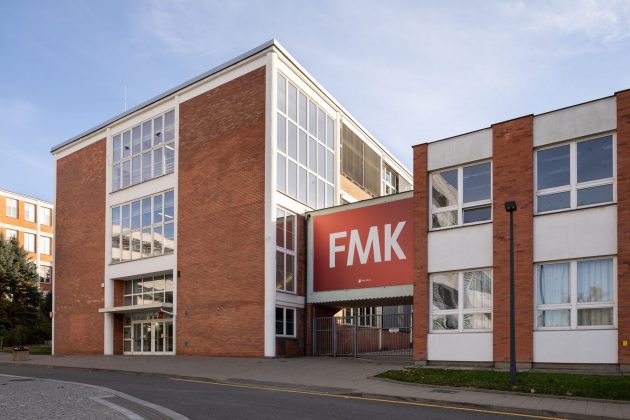
The Animation Studio offers students the opportunity to cultivate their storytelling, creativity, and craftsmanship through hands‑on experience. Students explore 2D, 3D, and stop motion techniques, character design, and storyboarding early on, developing a strong foundation in both classic and modern approaches to animation. They also learn teamwork, critical thinking, and prepare for presentations of their own projects, equipping them with skills needed for collaborative production environments. Studio‑based teaching focused on character animation runs throughout the programme, encouraging artistic solutions at every stage of the creative process and helping students shape a professional portfolio.
Emphasis has shifted from isolated projects to building a coherent skillset, where each workshop, team collaboration, and internship contributes to preparing students for real‑world practice and the evolving challenges of the animation industry. Graduates are ready to work in animation and post‑production studios, game development, advertising, television, or pursue original filmmaking.

Polish National Film, Television and Theatre School in Łódź (Poland)
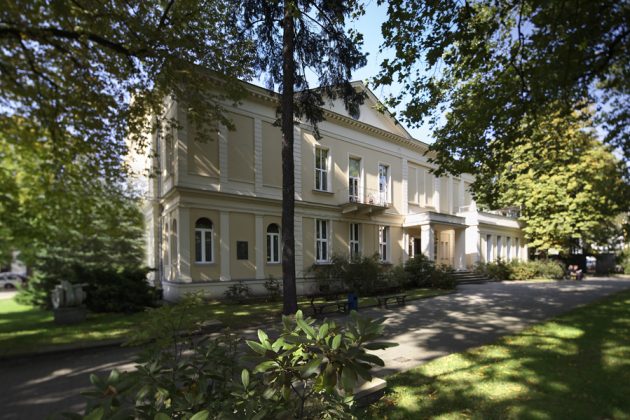
The Polish National Film, Television and Theatre School in Łódź emphasises practical work in its teaching programme. The school educates directors, directors of photography, animators, photographers, screenwriters, editors, film and television production managers, and actors, providing everything needed to explore ambitious ideas and creatively develop young talent successfully.
One of its key specialisations is the Animation & Special Effects Faculty, where students learn how to design and make animated films and special effects using both digital and analogue cameras, 35 mm film stock, and various computer programmes, alongside projects such as music videos and advertising films. Skilful storytelling, bold themes, diverse animation techniques, aspects of sound and film editing, experimentation and improvisation are hallmarks of the animated short films produced by this faculty’s students, many of which have won awards at international festivals — including at Cannes, Berlinale, and Clermont-Ferrand.
The Ladislav Sutnar Faculty of Design and Art (Czech Republic)
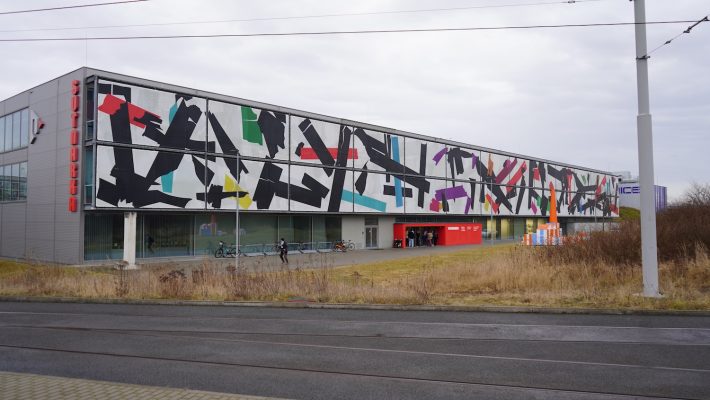
Sutnarka (The Ladislav Sutnar Faculty of Design and Art) is a young art school based in Pilsen that combines design, applied arts, media and new technologies in a highly interdisciplinary environment. The Animation Studio operates at the intersection of fine and applied arts, rather than focusing solely on film technology, encouraging students to experiment with both traditional and digital techniques while developing a strong, unique aesthetic and visual language.
Students explore a wide range of practices and we encourage creative versatility: graduates work not only in film but also as art directors, game designers, animation technologists, or fine artists. Collaboration is key — students often team up with other studios, such as ceramics or interactive design — and MA students even join a secondary studio for two years to foster interdisciplinary work. The programme also offers mobility, workshops and exchange opportunities to broaden students’ creative horizons.
Film and Television Faculty of the Academy of Performing Arts in Bratislava (VŠMU) (Slovakia)
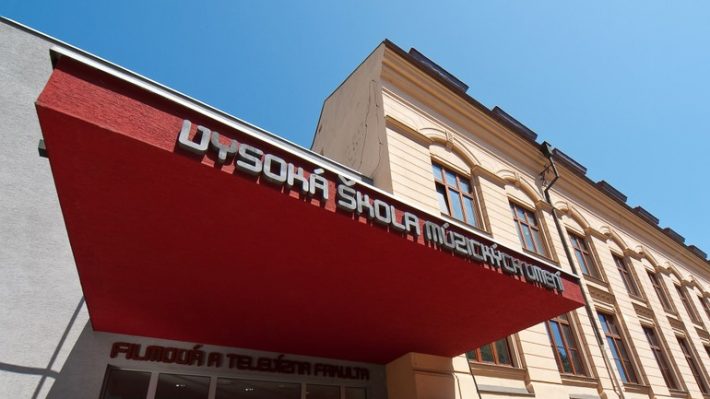
The Film and Television Faculty is the oldest and most prestigious film school in Slovakia, educating especially gifted students, supporting their artistic growth, and promoting high professional standards in all core cinema disciplines. The Animation Department, now being revitalised under a new head doc. Ivana Laučíková, continues this tradition by preparing students for creative and technical animation practice.
The BA offers a strong foundation in directing, 2D/3D animation, stop motion, experimental techniques and narrative development. From the second year, students join one of five ateliers, each led by a distinct pedagogue with a unique storytelling approach, ensuring individual artistic mentoring and a range of creative perspectives.
The MA deepens personal vision through a diploma film, written thesis, and focused courses, with emphasis on experimental procedures, authorial intention and professional readiness. The department nurtures individuality and versatility, encouraging students to grow as animators, directors, and visual storytellers.

Film and TV Faculty of the Academy of Performing Arts in Prague (FAMU)
(Czech Republic)
The Department of Animated Film
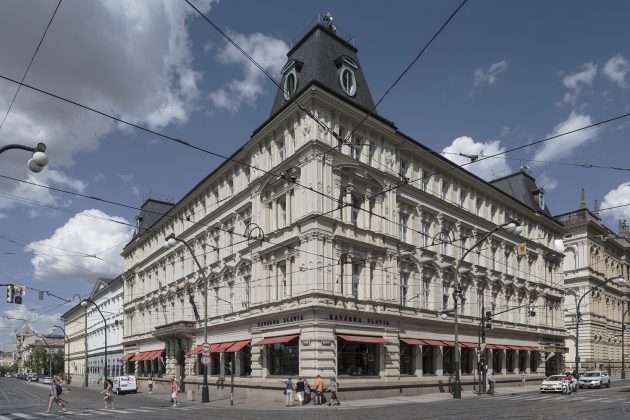
The Department operates on the principal assumption that animated film belongs to the dramatic arts. The cornerstone of our study programme is the independent animated short in its many forms – from small études to animated documentaries.
The overall approach is to find and foster the unique voice of each individual student and master the tools and skills needed for animated cinema while taking a holistic perspective. Therefore, we focus not just on the production itself, but also on the
development stage – including budgeting and the presentation of projects – as well as the postproduction and distribution phases.
As a film school, we also encourage creative teamwork with students from other departments, such as sound design, editing, and film production. This allows us to simulate conditions close to a professional environment, enabling our students to bring their visions to life, achieve excellence, and hopefully sustain their passion for animation throughout their future careers.

PROGRAMME
Note: Selected sections of the programme are open to accredited visitors. You can see the schedule here.
Tuesday, June 30, 2026 / UNIZA – AULA 1
3–2–1 Spotlight on… Alumni Schools (Part 1)
Participating schools from previous Student Forums present their approach to teaching animation alongside a selection of student works. Each presentation follows a simple structure – approach, films, and a final “signature moment” – giving each school the scope to express its identity and creative focus.
Jan Matejko Academy of Fine Arts in Kraków, Poland
with Robert Sowa & Ewa Grzesiak
V4 Focus School Presentation and Screening: The Animation Film Studio at the Jan Matejko Academy of Fine Arts in Kraków
How do schools approach the teaching of animation? What does their curriculum look like? What is a graduate’s profile? Representatives from the participating schools address these and other questions in their presentations.
School Screening & Discussion Krakow
V4 Focus School Presentation and Screening: The Animation Film Studio at the Jan Matejko of Fine Arts in Kraków
Presentation of students’ work.
Cooperation between animation studios and academia in Poland
V4 Case Study
with Robert Sowa, Head of Animation Film Studio, Jan Matejko Academy of Fine Arts in Kraków
This presentation introduces the Krakow Animation Centre, a production studio that bridges education and industry. As part of the Krakow Film Cluster, it connects professionals with emerging talents, supports student collaboration, and develops original projects from shorts to features. A practical example of how schools can strengthen ties with industry and expand international opportunities.
Wednesday, July 1, 2026 / New synagogue
Ukrainian Animation: Education, Continuity, and the Future
with Serhii Mirankov
This presentation introduces Ukrainian animation as a living artistic and educational tradition. It reflects on its place within the Institute of Screen Arts in Kyiv, the continuity between generations of students and alumni, and the broader context of the upcoming 100-year anniversary of Ukrainian animation. It also highlights current efforts to increase its visibility through education, screenings, and international exchange.
3–2–1 Spotlight on… Alumni Schools (Part 2)
Participating schools from previous editions of the Student Forum present their approach to teaching animation alongside a selection of student works. Each presentation follows a simple structure – approach, films, and a final “signature moment” – giving each school space to express its identity and creative focus.
Resilience in Animation – Creating a Mentally Sustainable Career
Presentation & Case Study
with Louise Johannsen (Sane Cinema)
This session focuses on well-being and mental health in animation. Louise introduces international key insights – from individual pressures to industry demands – alongside practical tools for healthier work practices. A moderated case study with Lyza Jarvis – Tallinn-based animator, MA student and faculty member of EKA [dacha1] – will bring lived experiences to the conversation, opening the space for reflection, conversation, and more sustainable approaches to creative work.
Stanica-Záriečie
Presentation of the Animation Festival Network & Film Screening
A representative will speak about how the Animation Festival Network supports filmmakers and together, with a screening of the curated programme, That’s What She Said collection of films by female directors from CEE (comprising films screened by Animation Festival Network members: Anifilm, Animafest, Fest Anča, Animest and Animateka). This selection was chosen by the festivals’ programme directors.
Fest Anča Warm-up & Networking Party
Start the festival together! Join students, teachers, and animation professionals for an easy-going evening of music, conversation, and new connections. Everyone’s welcome.
Thursday, July 2, 2026
From Classroom to Global Stage: A Student Film Success Story
V4 Case Study: Student Film Success Story
with Daria Kashcheeva, writer, director
Daria Kashcheeva shares the journey behind her internationally acclaimed student films Daughter and Electra. From FAMU to global recognition, she reflects on her creative process and student experience. Blending stop-motion with live-action, her work pushes boundaries and stands as an inspiring example of how student films can resonate worldwide.
Student Pitching Forum
This is a platform where students present their bachelor or master’s animation projects to a panel of industry professionals.
Spotlight on Stop Motion: Animarkt Stop Motion Forum & Momakin
V4 Case Study
with Paulina Zacharek & Agnieszka Szkudlarek (MOMAKIN)
This presentation introduces ANIMARKT Stop Motion Forum, a leading stop motion international event. Organized by MOMAKIN, it connects creators, producers, and distributors through pitching, workshops, and networking. The session highlights industry insights, production realities, and opportunities for students to engage with professional practice.
Not a Director, Still Essential (Careers in Animation)
V4 Case Study
with Marek Jasaň, animator
Marek provides a behind-the-scenes look at careers beyond directing. Drawing from his films like Electra (2023) and Tales from the Magic Garden (2025), he reflects on roles such as lead animator and the importance of collaboration. His journey shows how diverse skills – from stop-motion to hybrid techniques – can open varied and meaningful paths in the animation industry.
